Swiss Wine Regions

Swiss Wine

Observations about Swiss wine and grapes, and the history of wine-making in Switzerland

Winzerwy

Formed in 1969, Winzerwy is a Cooperative Association started by a group of small Swiss German wine makers to assure quality and improve marketing, The members grow, harvest, vinify and bottle on their own premisis. The Winzerwy trademark guarantees for the finest quality Swiss wines with a recognizable varietal, vintage and Terroir.

Fine Swiss Wine is now powerd by Drupal

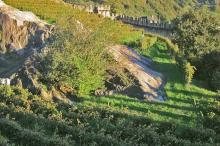
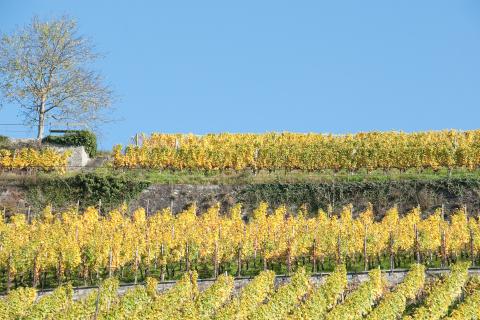
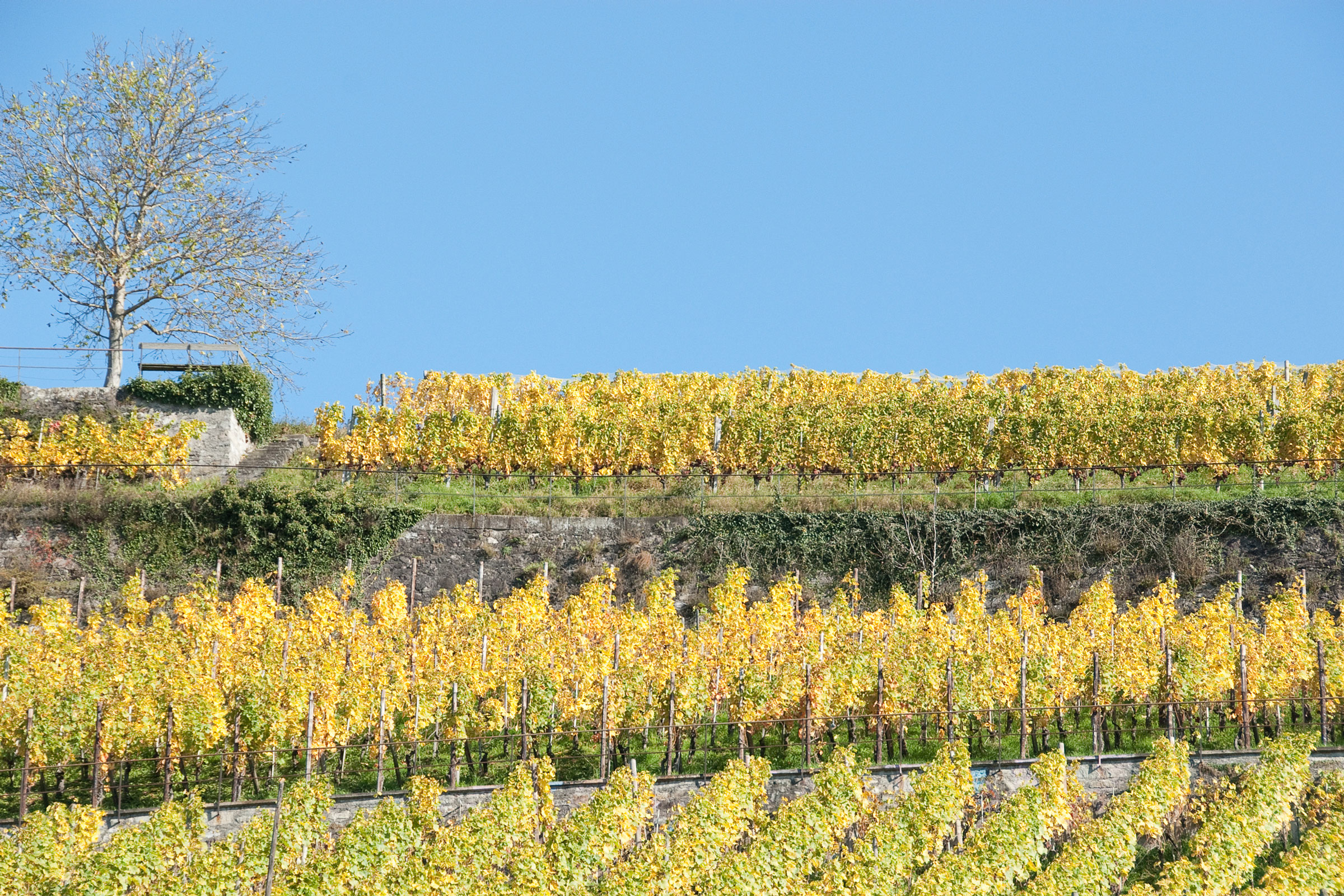
Grapevines on a hill near Zurich, Switzerland

Welcome to the new version of Fine Swiss Wine! This visual design is somewhat temporary while we focus on adding new features and content. Read more »

Tags:

Weinbaumuseum am Zürichsee (Viticulture Museum)

Viticulture Museum, Au, Lake Zurich, SwitzerlandIt's rare to describe a museum as “welcoming”, but the Viticulture Museum is welcoming. Located on the peninsula Au (near Wädenswil) on Lake Zürich, the Viticulture Museum is both a museum and a focal point for people interested in Swiss wine and wine making. It offers both a historical perspective as well as addressing changes confronting Swiss winemakers today. On the day I visited they held a demonstration of barrel making, which is an endangered craft: there are currently three barrel makers in Switzerland and only one apprentice. Read more »

Botrytis cinerea, a.k.a. Nobel Rot

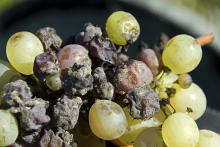
Botrytis cinerea, or nobel rot. Image by Alan Haenni

Botrytis cinerea, or nobel rot, is a gray mold that infects a variety of plants, including wine grapes here in Switzerland. When it forms on grapes it's called Botrytis Bunch Rot. In contrast to its unpleasant appearance, its effect on wine grapes can be quite pleasant. In short, the Botrytis cinerea fungus pierces grape skins causing dehydration, which concentrates the sugar in the remaining juice. The resulting sweet wine can be exquisite. Read more »

The Wine Grapes of Switzerland

Gouais Blanc

A promiscuous grape. Not good for much, but with a long, long line of descendents, including the noble Chardonnay and Pinot Noir. Possibly from Croatia, it’s called Heunisch Weiss in Central Europe.

The name Gouais is comes from ‘gou’, which is a scornful word from old French referring to its standing as the grape of the peasants. Very prevalent in the Ile-de-France and in the Champagne during the Middle Ages and perhaps brought into Valais by the descendants of the Ligurians.

Acidic and with little residual sugar, it’s primarily used to blend with low acidic wine to give it a bit of liveliness. Ampelographic studies in the old vineyards of Oberwallis have found a red Gwäss with the same characteristics as the white Gwäss. Almost abandoned, it survives in Haut-Valais hiding under the alias of Gwäss, thanks to Mr. Josef-Marie Chanton, http://www.chanton.ch/home.html

Arvine

Another delivery from Rome, there are actually three Arvine grape varieties, only two used for wine production: Grand Arvine, with the larger berries, and Petit Arvine, with the, you guessed it, smaller berries. The unloved Arvine brune has faded from the scene. Grand Arvine gets criticized for displaying little character, whereas the Petit Arvine tends to have a fuller bouquet and lower acidity. In blind tasting, Petit Arvine generally kicks ass against its plumper brother. Arvine is also an excellent grape for late harvest wine, which can be cellared.

Merlot

Imported from the Bordeaux region, Merlot has found a second home in Ticino where it performs extremely well. Later-ripening than the other main Swiss varieties, it is hardly present in other areas. Merlot red wines are racy, tannic and richly colored. A white wine from this black grape, commercialized as Merlot Bianco, gives quite interesting results and is increasingly popular with producers and consumers alike.

Burgundy for Kings, Champagne for Duchesses, and claret for Gentlemen

French Proverb

Swiss Alps, cows, wine bottle and large clock face in Bern, Switzerland

Fine Swiss Wine

Discover Switzerland’s odd grapes, small producers, and eclectic tastes